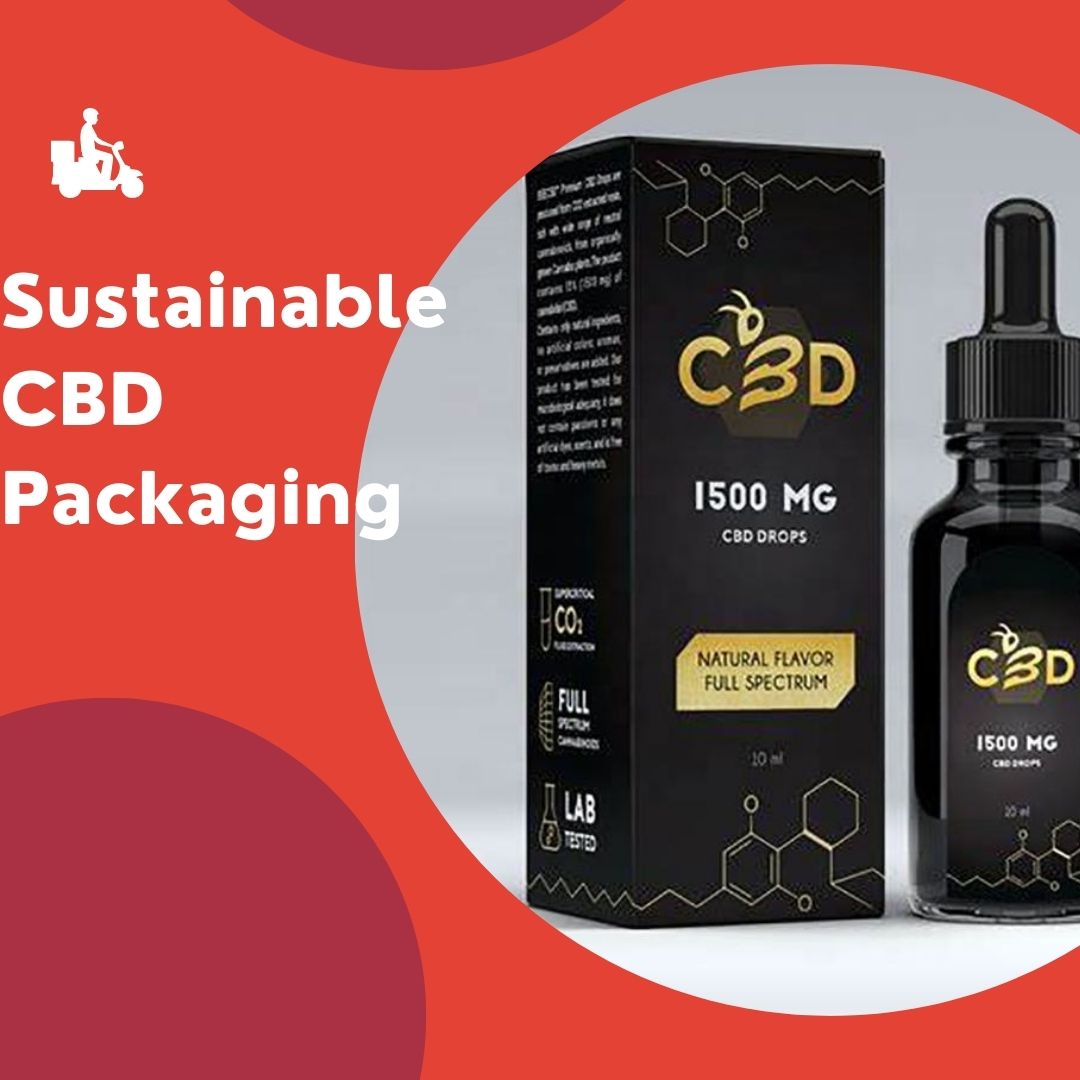
In a world where environmental consciousness is on the rise, industries are continually seeking ways to reduce their ecological footprint. The CBD industry is no exception. As the demand for CBD products soars, it’s crucial to explore sustainable packaging options that can help mitigate the environmental impact.
The CBD industry is flourishing, with an ever-expanding product range. However, with growth comes responsibility, particularly for environmental sustainability. Sustainable CBD packaging is not just a trend; it’s a necessity in today’s world. This article explores the various aspects of sustainable packaging and why it’s essential for the CBD industry to embrace it.
The Growing CBD Industry
CBD, short for cannabidiol, has gained immense popularity for its potential health benefits. The industry has witnessed exponential growth, with various products flooding the market, from oils and creams to edibles and beverages. As the market expands, so does the need for sustainable packaging solutions.
The Environmental Challenge
Traditional packaging materials, such as plastic and non-recycled paper, pose a significant threat to the environment. The CBD industry, like many others, contributes to plastic pollution and deforestation. Sustainable packaging is the answer to mitigate these adverse effects.
Why Sustainable Packaging Matters
Sustainable CBD packaging is not just about reducing environmental harm. It’s also about building a positive brand image. Consumers are increasingly favoring eco-friendly products, and packaging plays a crucial role in shaping their perception of a brand.
Exploring Eco-Friendly Materials
Hemp-Based Packaging
One of the most sustainable options is packaging made from hemp fibers. Hemp is a fast-growing plant that requires minimal water and no pesticides. It’s biodegradable and can make sturdy packaging materials.
Recycled Materials
Using recycled materials, such as post-consumer waste paper and cardboard, reduces the demand for new resources. It’s an excellent way to contribute to a circular economy while reducing the carbon footprint of packaging.
Biodegradable Options
Biodegradable plastics and materials made from cornstarch are becoming popular choices for sustainable packaging. They break down naturally, leaving no harmful residues behind.
Reducing Waste: Minimalist Design
Streamlined packaging design not only reduces material usage but also creates a more aesthetically pleasing product. Minimalist packaging is not only eco-friendly but also appeals to consumers seeking simplicity.
Energy-Efficient Production
Manufacturers can reduce their carbon footprint by implementing energy-efficient production processes. Solar power, LED lighting, and optimized heating and cooling systems all contribute to a greener production line.
Eco-Conscious Printing Techniques
Printing packaging materials using eco-friendly ink and techniques further enhances sustainability. Soy-based inks and water-based coatings are environmentally friendly alternatives to traditional printing methods.
Consumer Perception and Demand
Consumers are more likely to choose products with sustainable packaging. It’s a reflection of their values, and they appreciate brands that share those values. Sustainable packaging can be a selling point.
Regulatory Compliance
Many countries are implementing regulations to curb plastic waste and promote sustainable packaging. Staying compliant with these regulations is not just ethical; it’s also good business practice.
Case Studies: Brands Leading the Way
GreenLeaf CBD’s Compostable Packaging
Greenleaf CBD has embraced sustainability by introducing compostable packaging made from plant-based materials. Their commitment to reducing waste has resonated with environmentally conscious consumers.
EarthPouch: A Plastic-Free Alternative
Earth pouch offers a plastic-free packaging alternative made from renewable materials. This innovative solution showcases how brands can lead the way in sustainability.
Challenges and Limitations
While sustainable packaging has many benefits, it’s not without challenges. Cost considerations, limited material availability, and consumer education are some hurdles that the industry needs to overcome.
The Economics of Sustainability
Investing in sustainable packaging may initially seem expensive, but it can yield long-term cost savings. Reduced material usage, positive brand image, and regulatory compliance can all contribute to a healthier bottom line.
Steps Towards a Greener Future
To embrace sustainable CBD packaging, companies must evaluate their current practices and seek eco-friendly alternatives. Collaboration with packaging experts and staying updated on industry trends are crucial steps in this journey.
Conclusion
Sustainable CBD packaging is more than just a trend; it’s a responsible choice for the future. By adopting eco-friendly materials, reducing waste, and addressing consumer demands, the CBD industry can contribute to a greener, healthier planet.
 Solution Providers